French Bulldog Weight Management: NZ Owner's Guide
French Bulldogs are one of New Zealand's most popular breeds right now — and one of the most prone to weight gain. Like Pugs, they're brachycephalic: their flat face and compressed airway create real limits on how much exercise they can safely do. That means weight management for French Bulldogs has to be primarily diet-driven. You can't run a Frenchie lean. You have to feed them lean.
Key Takeaways
- French Bulldogs are brachycephalic — vigorous exercise is a genuine health risk, not an option
- Weight management is primarily diet-driven: food quality, portions, and zero tolerance for treat creep
- Even modest excess weight makes breathing harder for a breed that already struggles
- Exercise must be gentle: short walks only, early morning or evening, watch for laboured breathing
- A high-fibre, lower-fat food is the most important tool for keeping a French Bulldog lean
Why French Bulldogs Are Prone to Weight Gain
French Bulldogs are low-energy dogs with high food appeal. They were bred as companion dogs, not working animals, so their daily calorie burn at rest is relatively low. Combine that with the genuine exercise limitations of their brachycephalic anatomy, and the margin between "eating just enough" and "eating too much" is narrow.
The brachycephalic issue is the defining factor here. French Bulldogs have compressed nasal passages, a shortened soft palate, and narrow nostrils — together these create what's known as brachycephalic obstructive airway syndrome (BOAS). The result is that Frenchies can overheat and go into respiratory distress faster than most breeds. Vigorous exercise, running, extended outdoor sessions in heat — all of these are genuine health risks, not just things to avoid for comfort.
This means the usual "more exercise" solution to weight gain simply doesn't apply for French Bulldogs. Their calorie burn is capped at a relatively low level, and food intake is the variable you can actually control.
On top of the exercise limitation, French Bulldogs are popular with owners who love treating and spoiling them — which is completely understandable, but which adds up to calorie creep. A small dog with a small daily calorie budget accumulates extra weight faster than owners expect.
How to Tell If Your French Bulldog Is Overweight
Adult French Bulldogs typically weigh between 8-13kg. Body condition scoring matters more than the exact weight.
Run your hands firmly along the ribcage. You should be able to feel each rib without pressing hard. From above, there should be at least a suggestion of a waist. From the side, the belly should not drop significantly.
French Bulldogs have a naturally compact, muscular build — which can make it hard to tell by eye whether they're at a healthy weight or slightly over. Feel through the coat and muscle, and be honest about what you find. If the ribs are buried under padding, the waist is gone, or the belly hangs, action is needed. See our overweight dogs NZ guide for a body condition scoring breakdown.
Feeding a French Bulldog for a Healthy Weight
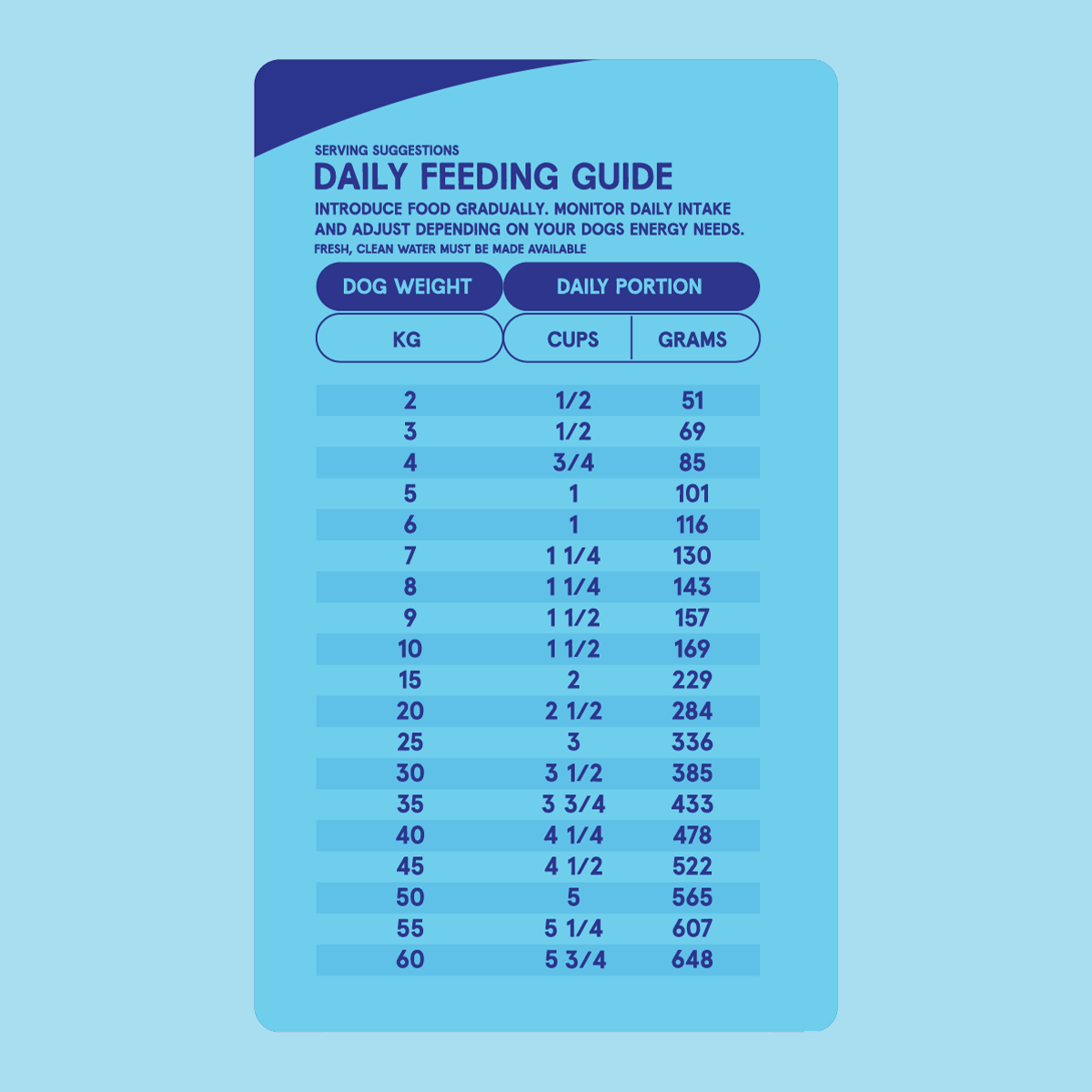
Measure every meal on a kitchen scale. French Bulldogs have relatively small daily calorie needs, and even consistent small overfeeding accumulates quickly. A scale removes the guesswork.
Feed twice daily. Twice-daily feeding gives you control over exactly what goes in, supports better digestion, and reduces the begging behaviour that often leads to extra treats being given.
Treats are the most common source of weight creep for French Bulldogs. They're cute, they're expressive, and people love rewarding them. But a small dog with limited exercise can't burn off frequent treats. Count every treat as part of the daily calorie budget. Use the smallest possible pieces, use low-fat options, or use pieces of their regular kibble as rewards.
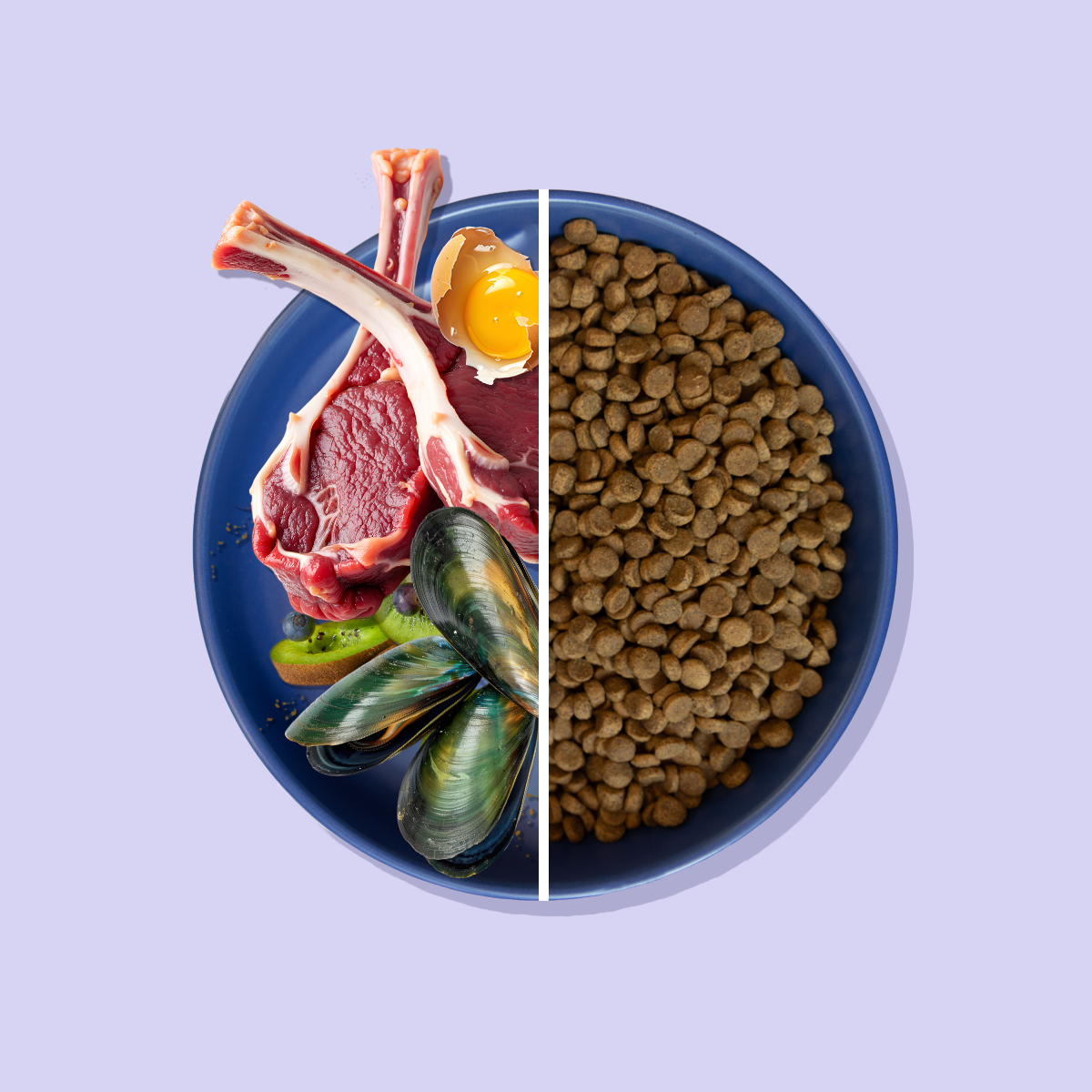
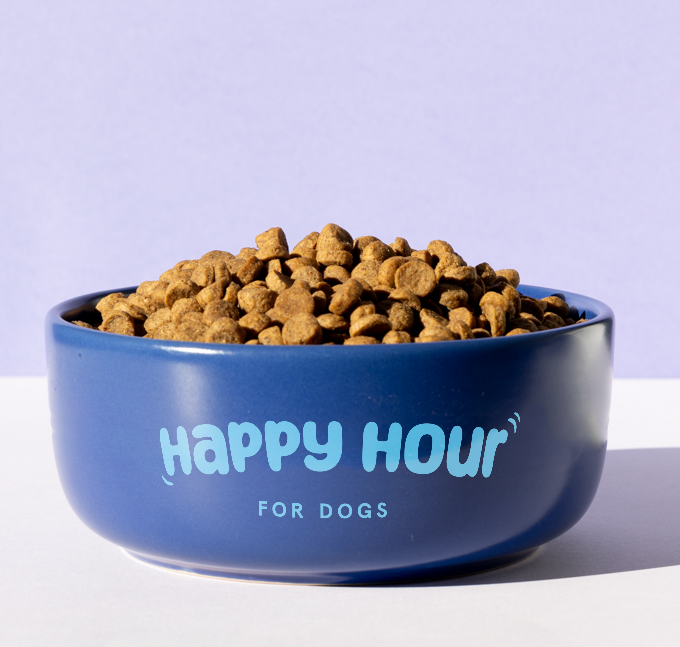
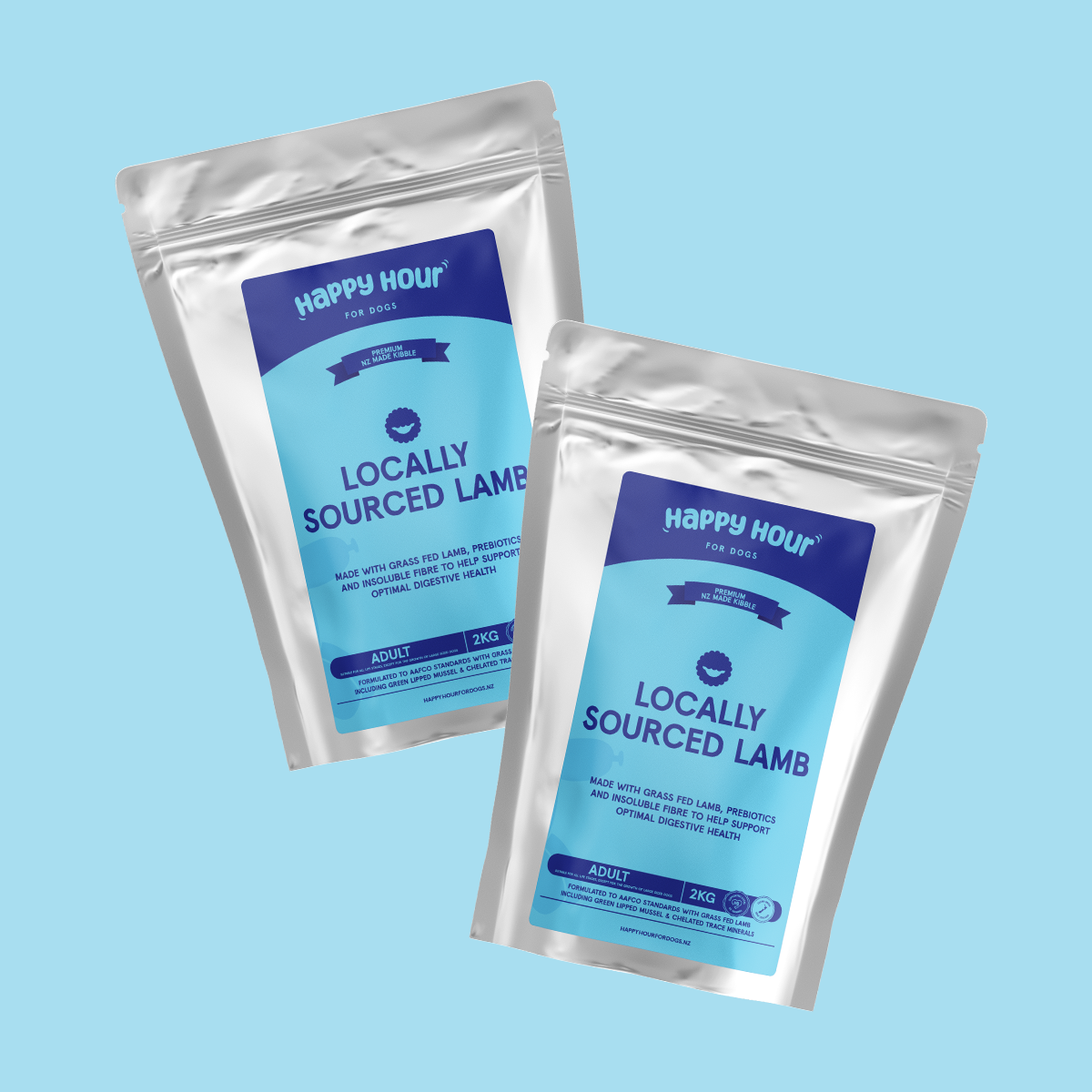
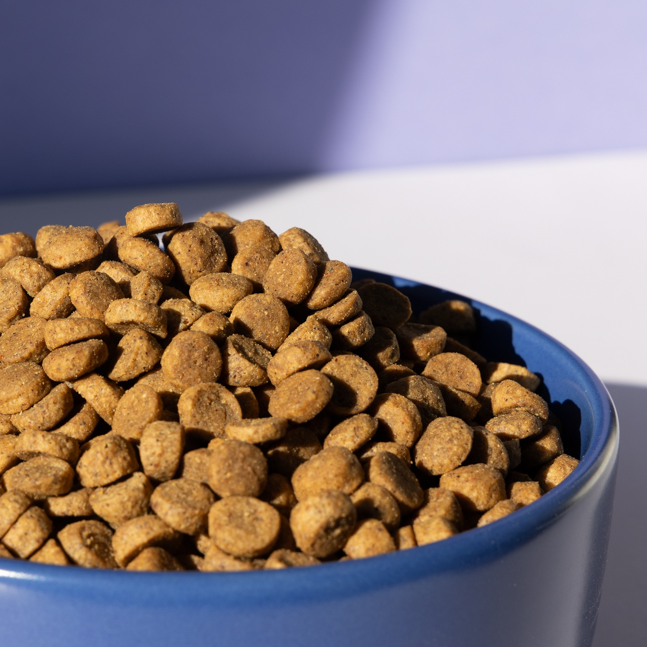
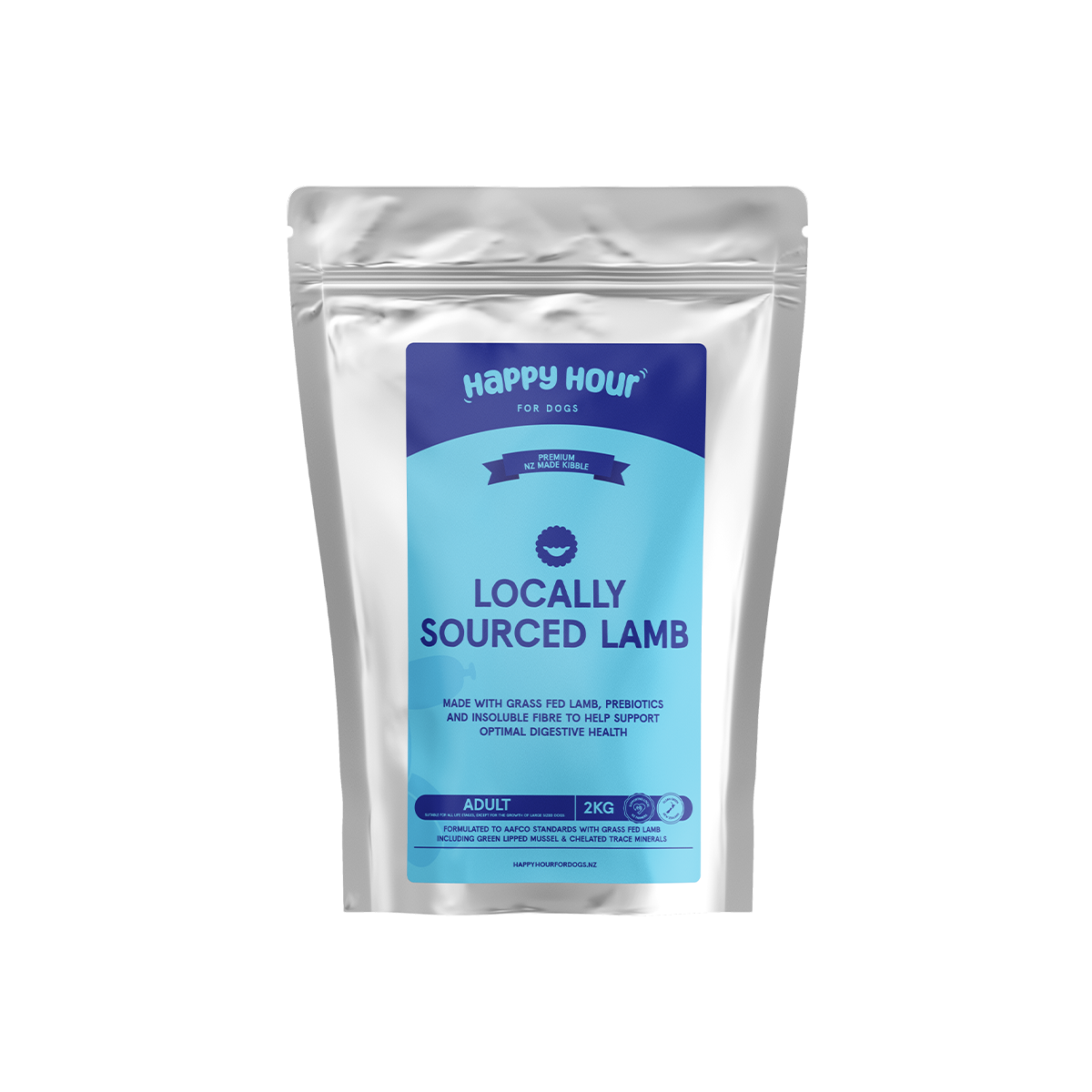
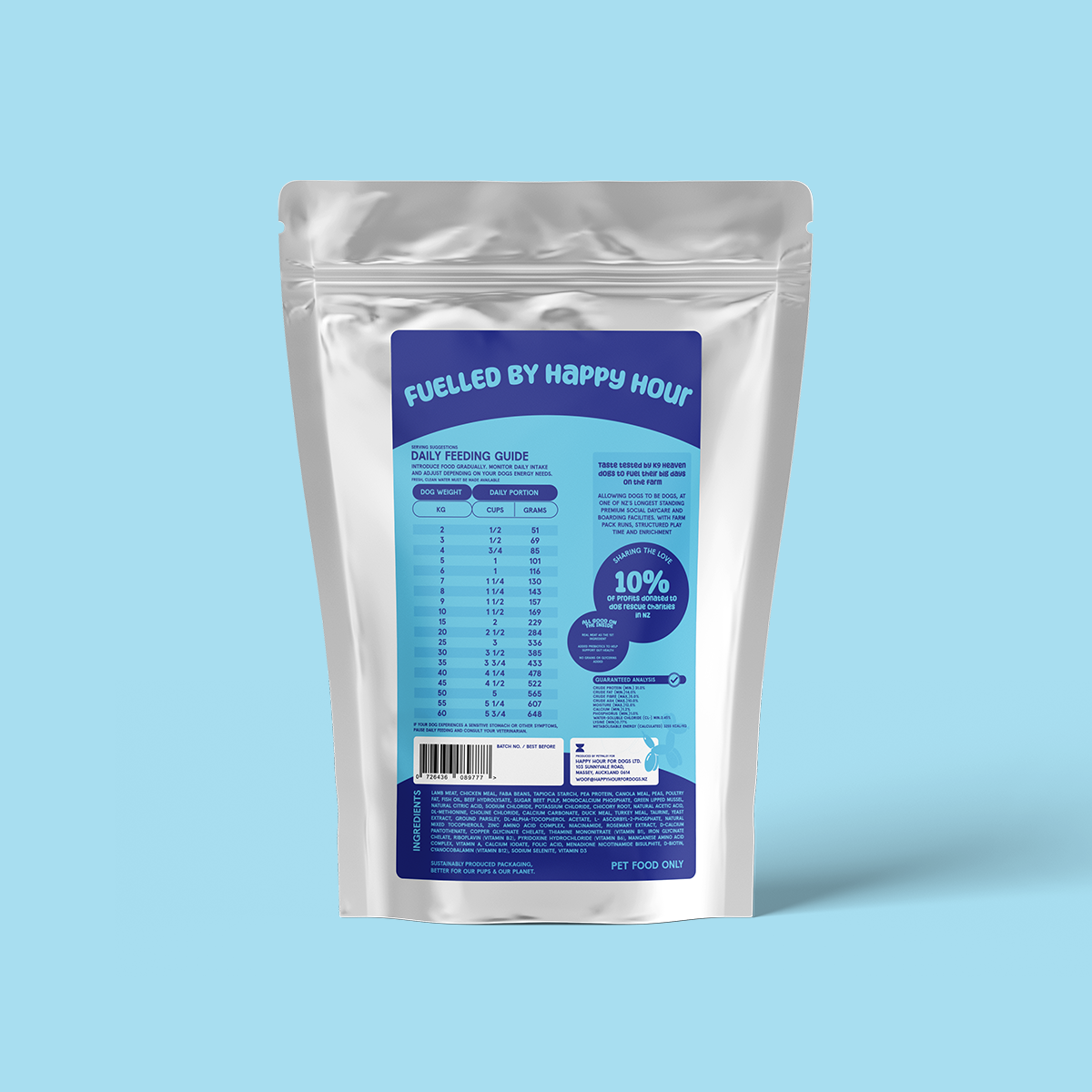
Food quality is the most important lever. A high-fibre food helps your Frenchie feel full on the appropriate portion — which matters when that portion can't be easily supplemented with extra exercise. Happy Hour is a NZ-made grain-free lamb kibble with real dietary fibre and quality protein from NZ-sourced lamb. No grain fillers padding out the calories, no artificial additives. For a breed whose weight management depends almost entirely on diet, a nutritionally dense food that supports satiety is the right choice. Find it at happyhourfordogs.nz.
Exercise Tips for French Bulldogs
French Bulldogs have real airway restrictions. This is not about fitness — it's anatomy. Exercise recommendations for Frenchies must account for this.
What is safe for French Bulldogs:
- Short, gentle walks: 15-20 minutes at a calm pace, once or twice daily
- Early morning or evening in summer: heat is dangerous. In NZ's warmer months, stick to before 9am or after 6pm. Hot pavement adds further risk.
- Calm indoor play: short play sessions inside with toys are fine
- Sniff walks at their own pace: mentally enriching without overexertion
What to avoid:
- Running, jogging, or any high-intensity activity
- Extended walks beyond their comfortable pace
- Outdoor exercise in hot, humid weather
- Rough play that results in heavy, laboured breathing
Watch your French Bulldog carefully during any exercise. Signs of overexertion include heavy panting, bright red gums, excessive drooling, slowing down, and laboured breathing that doesn't settle quickly after rest. If you see any of these, stop, move to shade or indoors, and let them rest. Severe distress warrants a vet call.
The honest message: exercise keeps a French Bulldog mobile and engaged, but it will not produce meaningful weight loss in a brachycephalic breed. Diet is the primary answer.
What to Look for in Dog Food for French Bulldogs
For French Bulldogs, choose a food that:
- Has high dietary fibre — critical when portion sizes are necessarily small and exercise is limited
- Uses quality animal protein as the primary ingredient — lean muscle maintenance supports metabolism even in lower-activity breeds
- Is lower in fat — keeps calorie density manageable
- Has no grain fillers — corn, wheat, and soy add empty calories to a breed with a limited daily budget
- Is easy to chew — French Bulldogs' flat faces mean some kibble shapes are easier to eat than others; look for appropriately sized pieces
- Has no artificial additives — Frenchies can have sensitive stomachs; cleaner ingredients reduce digestive upset risk
Happy Hour's grain-free lamb kibble is made from NZ lamb, with real fibre, prebiotics, and green-lipped mussel for joint support. It's free from grains, artificial colours, and unnecessary additives. For a breed that depends almost entirely on diet for weight management, a quality food with genuine fibre content makes a meaningful difference.
For a broader look at which breeds need careful weight management in NZ, see our dog breeds prone to weight gain guide.