Feeding High-Energy and Working Dogs: The Complete NZ Guide
NZ has a working dog culture that goes back generations. Huntaways mustering on hill country stations. Border Collies keeping order at shearing time. Gun dogs covering rough terrain for hours in search country. Agility dogs competing at the weekend. These dogs share one thing: their nutritional needs are fundamentally different from the average pet dog snoozing on the sofa.
Key Takeaways
- Feeding High-Energy and Working Dogs: The Complete NZ Guide
- What Makes Working Dogs Nutritionally Different
- What to Look for in Working Dog Food
- Common Mistakes Working Dog Owners Make
- Why Happy Hour Suits Working Dogs
Getting working dog nutrition right matters practically. A dog that's well fuelled recovers faster, performs better, and stays healthier over a working lifetime. A dog on the wrong food might manage, but they're running at less than their best.
What Makes Working Dogs Nutritionally Different
The difference between a working dog and a pet dog isn't just about how much they run. It's about how their metabolism works, how much physical stress they put on their musculoskeletal system, and how their digestive system responds to varying workloads.
Calorie Requirements: Often Significantly Higher
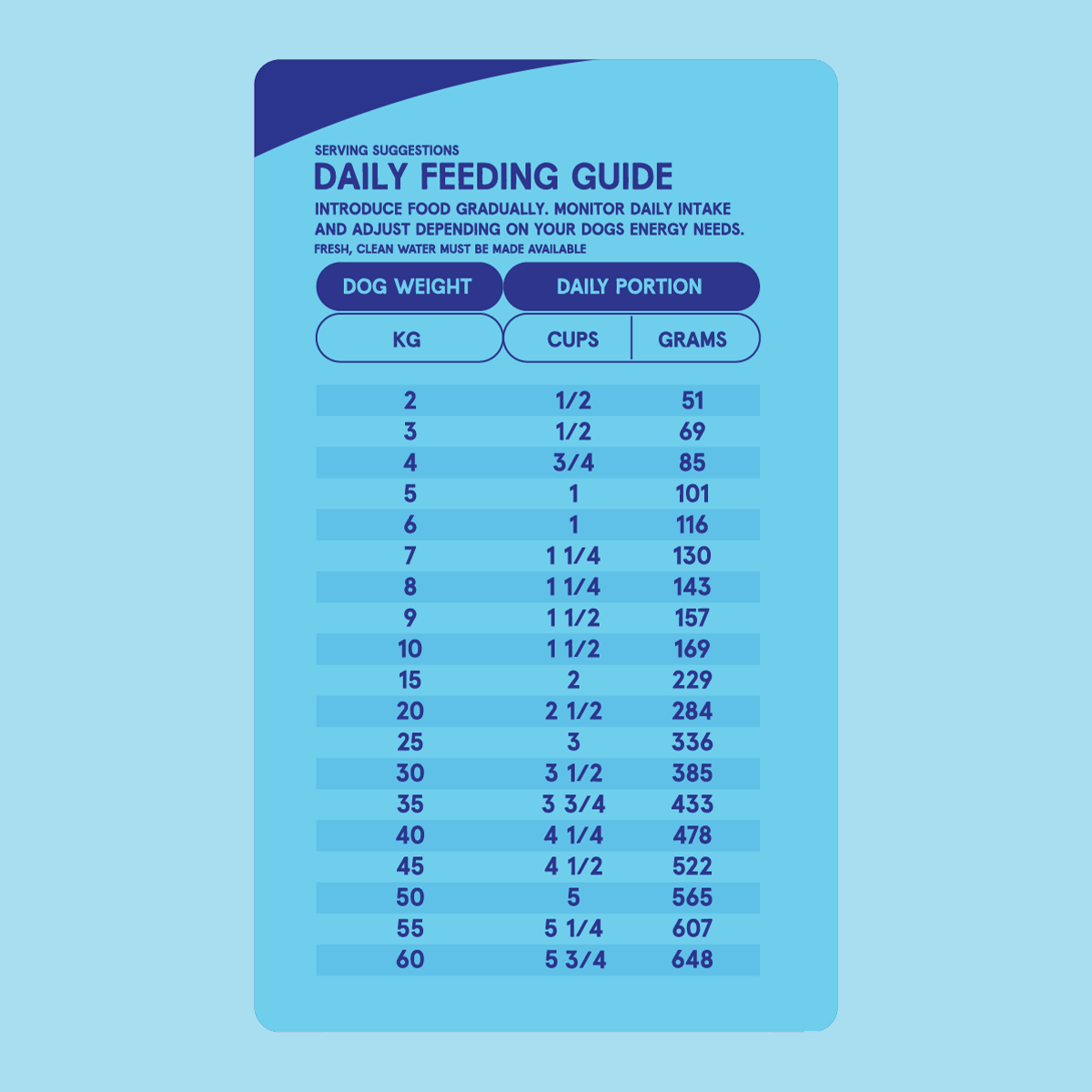
A highly active working dog can burn 2-4 times the calories of a sedentary dog of the same size and breed. On a cold NZ winter day doing hard farm work, the gap is even wider, because significant energy goes into just staying warm. The standard feeding guide on a bag of dog food is calibrated for moderately active pet dogs. Working dogs almost always need more.
Protein: Critical for Muscle Maintenance and Recovery
Working dogs put significant stress on their muscles every day. Protein provides the amino acids needed for muscle repair and recovery. A diet too low in quality protein will result in gradual muscle breakdown over time, which reduces performance and makes dogs more injury-prone. Quality matters: the amino acid profile of the protein source affects how efficiently the dog can use it.
Fat: The Most Efficient Energy Source for Endurance
For endurance work (the kind most NZ working dogs do), fat is actually the preferred fuel source, not carbohydrates. Fat provides more than twice the energy per gram of protein or carbohydrate and is metabolised efficiently during sustained low-to-moderate intensity exercise. Dogs trained for sustained work are particularly good at fat metabolism. A food with appropriate fat levels (not excessively low) supports endurance performance better than a carb-heavy formulation.
Digestive Efficiency
Working dogs need to extract maximum nutrition from their food efficiently. High-digestibility ingredients (quality named protein sources, chelated minerals) mean more of what they eat actually gets absorbed. Low-quality fillers pass through with little nutritional contribution and can cause loose stools or discomfort during work.
What to Look for in Working Dog Food
Named Protein as the Lead Ingredient
The first ingredient should be a specific, named meat protein. NZ grass-fed lamb, chicken, or fish are all good options. 'Meat meal' without a species name is less transparent and can be more variable in quality. See our How to Read a Dog Food Label article for help decoding ingredient lists.
Omega-3 Fatty Acids
Fish oil provides EPA and DHA, which support joint health, reduce inflammation from daily wear and tear, and support cardiovascular health. Working dogs put significant stress on their joints. Over a working lifetime, dietary omega-3s can make a meaningful difference to mobility and comfort. Our Omega-3 for Dogs article explains the mechanism.
Chelated Minerals
Chelated minerals are bound to amino acids, which makes them more bioavailable than the raw mineral forms found in cheaper foods. For working dogs with high nutritional demands, better mineral absorption means more efficient support for bone density, muscle function, and immune health.
Prebiotics for Gut Stability
Working dogs' digestive systems can be disrupted by changes in workload, weather, and stress. A prebiotic (like chicory root) helps maintain beneficial gut bacteria, which supports consistent digestion even when external conditions vary.
Common Mistakes Working Dog Owners Make
Underfeeding on Hard Days
The most common mistake. Working dogs burn significantly more on heavy days and need more food. Feeding the same amount year-round regardless of workload leads to gradual condition loss in busy periods. Monitor body condition fortnightly on working dogs.
Feeding a Large Meal Before Work
A large meal before intense work increases the risk of digestive discomfort and, in large deep-chested breeds, bloat (GDV). A light breakfast and a larger post-work meal is a safer approach for dogs doing hard physical work.
Using Low-Quality Budget Food
It's tempting to buy the cheapest large bag available, especially for farm dogs. But the cost-per-kilogram comparison doesn't reflect the nutrition-per-kilogram difference. A dog on poor-quality food often needs to eat more to feel satisfied, produces more waste, and may have worse long-term health outcomes. The maths on cheap food often isn't as good as it looks.
Not Adjusting for Season
NZ winter (June-August) sees dogs burning significantly more calories staying warm and working in cold conditions. Summer (December-February) can reduce appetite in the heat. A fixed feeding amount year-round doesn't account for these shifts. Weigh your dog or check body condition monthly and adjust accordingly.
Why Happy Hour Suits Working Dogs
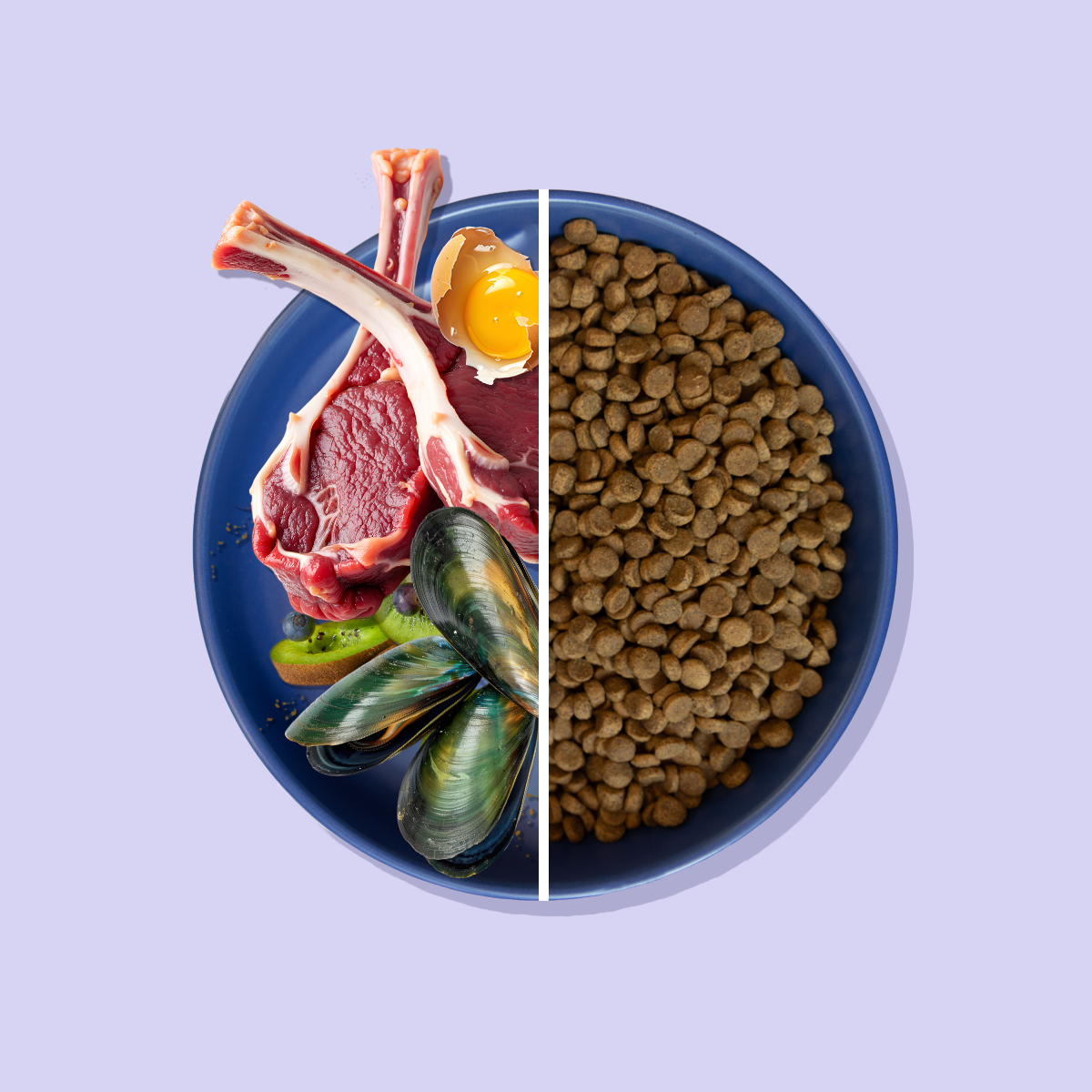
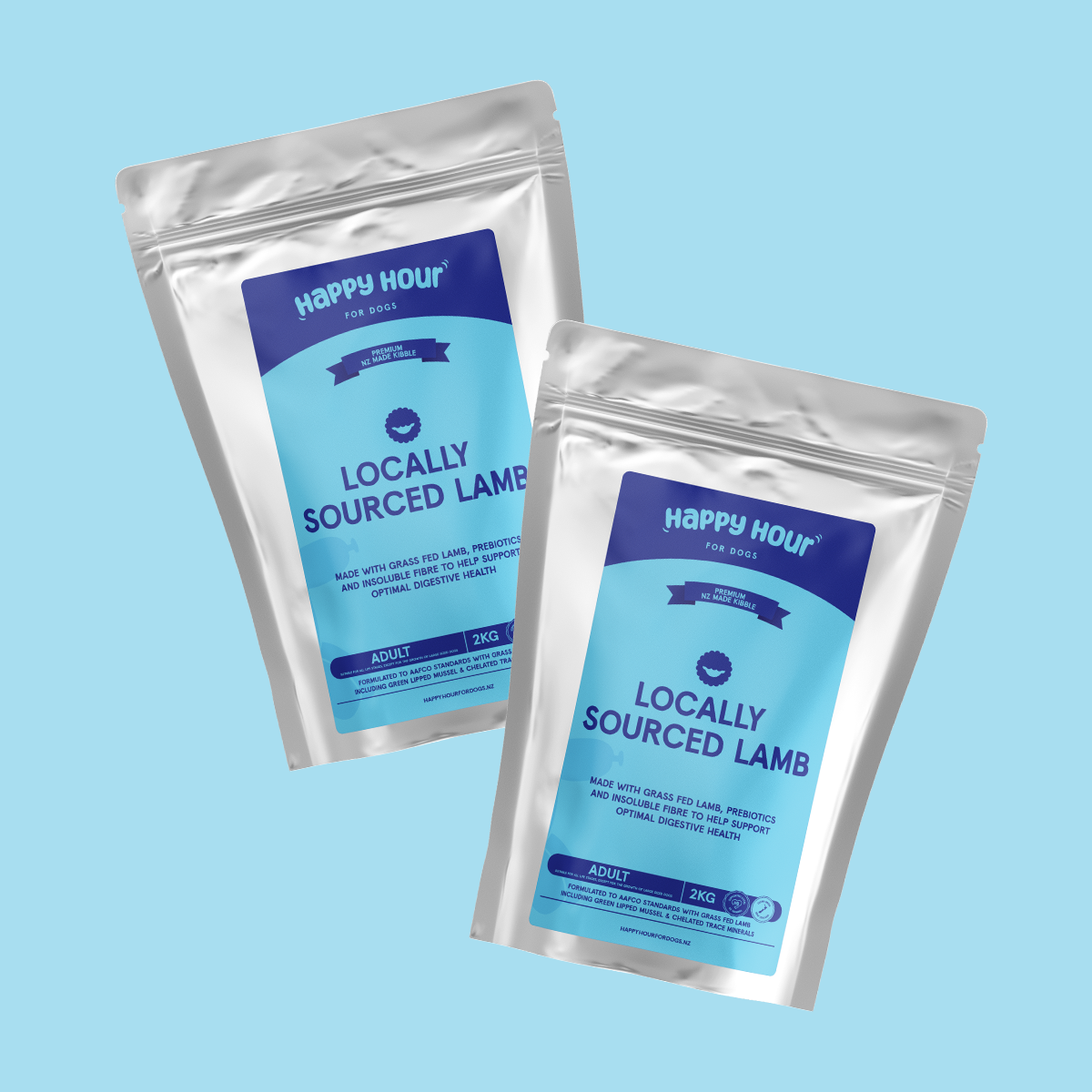
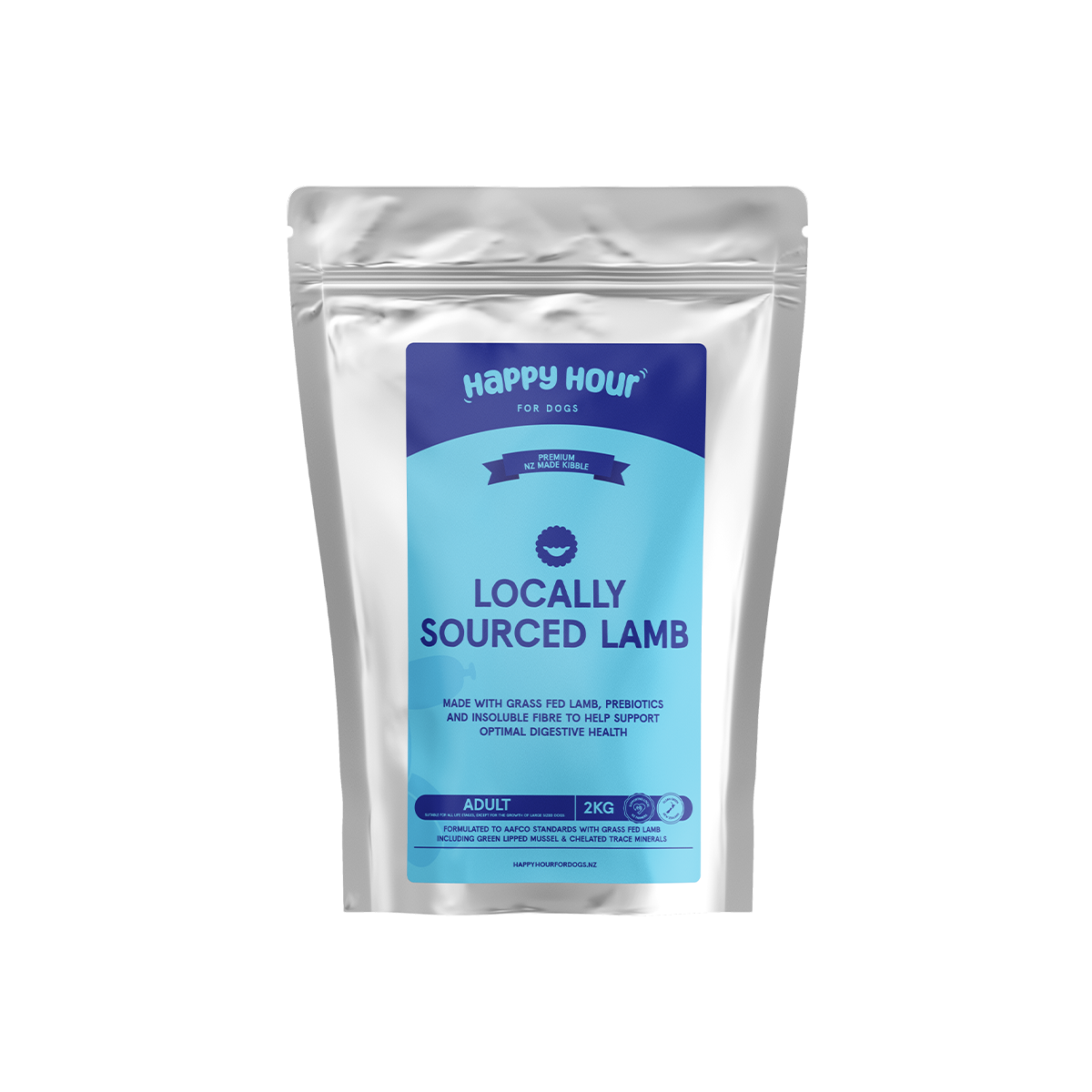
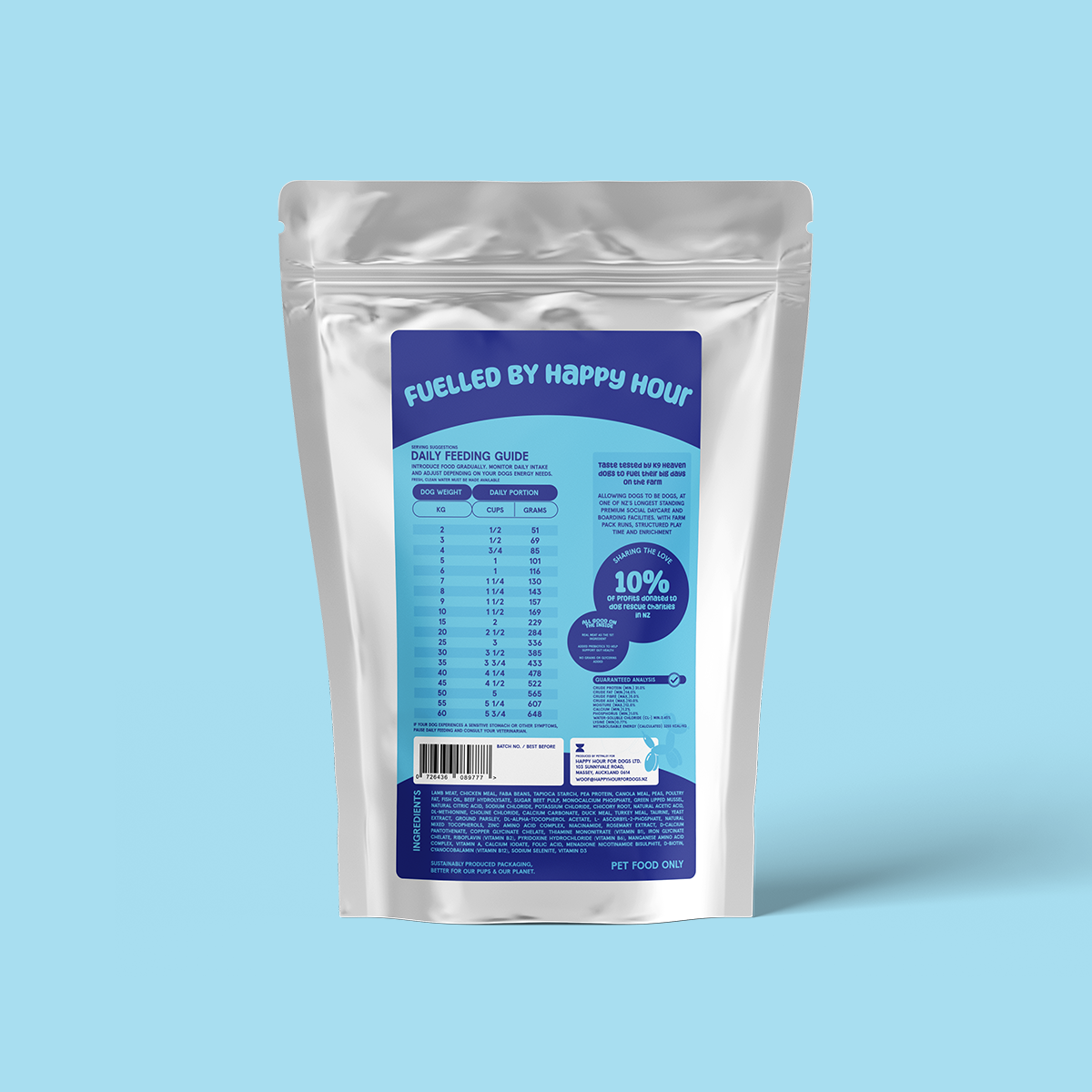
Happy Hour is built on NZ grass-fed lamb as the lead protein, with cage-free chicken as a secondary protein. It includes fish oil for omega-3 fatty acids, green-lipped mussel from the Marlborough Sounds (a natural source of omega-3s and joint-supportive compounds), chicory root as a prebiotic, and chelated minerals for efficient absorption. It's grain-free with no artificial additives.
The protein and mineral profile makes it a strong choice for dogs with high physical demands. It's AAFCO approved for all life stages, so you don't need a separate formula for puppies or senior working dogs. The low-fat formula gives you the flexibility to increase portions on heavy working days without worrying that the food itself will cause digestive issues.
It's made in NZ, by the K9 Heaven team who've served over 48,000 meals to dogs in their care. They understand what sustained daily use means for a dog's nutrition.
For breed-specific feeding guidance, see our Best Dog Food for Huntaways article and Best Dog Food for Border Collies NZ.